







Search Results for: Condensed Milk Coffee
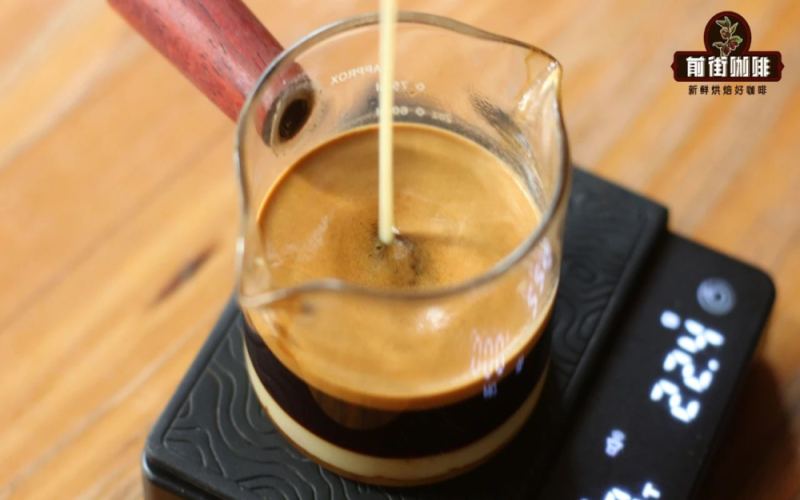
How to Make a Spanish Latte? A Detailed Guide to Recipes, Ratios, and Standard Methods from Condensed Milk Coffee to Café Bombón
Adding condensed milk to coffee has long ceased to be a practice unique to Southeast Asia. Vietnamese drip coffee uses condensed milk to neutralize the bitter, burnt notes of Robusta, while Spain's Café Bombón strikes a stark black-and-white contrast by combining espresso and condensed milk in a one-to-one ratio. Today's wildly popular Spanish Latte on café menus is simply a regular latte with condensed milk added, balancing espresso, fresh milk, and condensed milk in harmony. This article begins with the origins of condensed milk coffee, sorts out the differences between a Spanish Latte and a regular latte, and provides specific ratios, step-by-step instructions, and flavor profiles for both hot and iced versions, helping you reliably recreate this rich, silky milk coffee at home. [more…]

The Origins and Recipes of Spanish Latte and Café Bombón, Plus an Analysis of Valencia Condensed Milk Coffee's Taste
Adding sugar or milk to coffee has long been commonplace, but pairing coffee with condensed milk is equally distinctive. This article begins with the basic concept of condensed milk, first introducing the condensed milk approach to Vietnamese drip coffee, then focusing on Café Bombón from Valencia, Spain, explaining its simple 1:1 recipe of espresso and condensed milk and the layering principle, before extending to the familiar Spanish latte—which actually has no ties to Spain, but is simply a latte combined with condensed milk. The article also explains that making a Spanish latte calls for full-bodied Italian-style beans, and recommends Front Street Coffee's commercial blend, which combines Brazil and Colombia with a small amount of Robusta, presenting nutty aromas and a low-acid, full-bodied taste. [more…]
How to Make a Spanish Latte? An Analysis of the Ratio of Condensed Milk to Espresso and the Flavor Differences from a Regular Latte
On café menus, the Spanish latte has been appearing frequently in recent years—so what exactly sets it apart from an ordinary latte? This article starts with two condensed-milk coffees, Vietnamese drip coffee and the Spanish Café Bombón, sorts out the role condensed milk plays in coffee, and then explains in detail the recipe ratios for a Spanish latte, both hot and iced methods, as well as the flavor performance brought by the blend beans used in Front Street Coffee shops. If you're curious about how condensed milk balances coffee's bitterness and what the essential difference is between a Spanish latte and a latte, this article will give you clear answers. [more…]
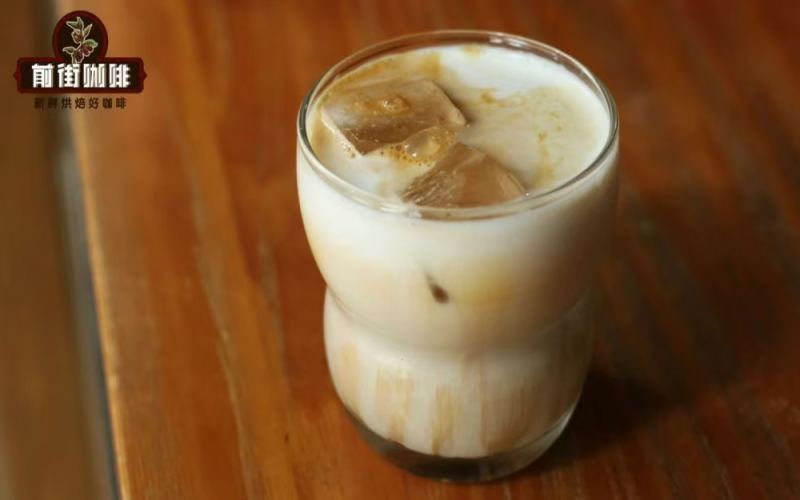
Spanish Latte Recipe | Can You Add Condensed Milk to Black Coffee? What's the Difference Between a Spanish Latte and a Regular Latte? What's the Milk-to-Coffee Ratio in a Spanish Latte?
Today, the menus in coffee shops are rich and diverse, and in order to cater to more people's tastes, adding various dairy products and flavored syrups to coffee is also very common. So have you ever heard of coffee with condensed milk? Adding condensed milk is to mask the strong bitterness in coffee. In Vietnam, the aroma of coffee drifts through the streets and alleys. [more…]

What Is Café Bombón, the Spanish Condensed Milk Espresso? How to Make a Spanish Latte at Home with Recipe Ratios
Many people find coffee's bitterness hard to stomach, so milk, sugar, and condensed milk are often used to balance the flavor—Vietnamese drip coffee is the classic example of condensed milk coffee. But this article is about a regional specialty from Valencia, Spain: Café Bombón. It uses only two ingredients, condensed milk and espresso, and is simple to make, visually appealing with its layers, and tastes sweet, fragrant, and smooth. The Spanish latte offered by chain brands is very likely a derivative of this coffee. Front Street Coffee will break down the meaning of Café Bombón, how it differs from a Spanish latte, and provide specific ingredients, ratios, extraction parameters, and preparation steps, along with recommended Front Street Coffee espresso beans to pair with it, so you can recreate this sweet, rich Spanish-style coffee at home. [more…]
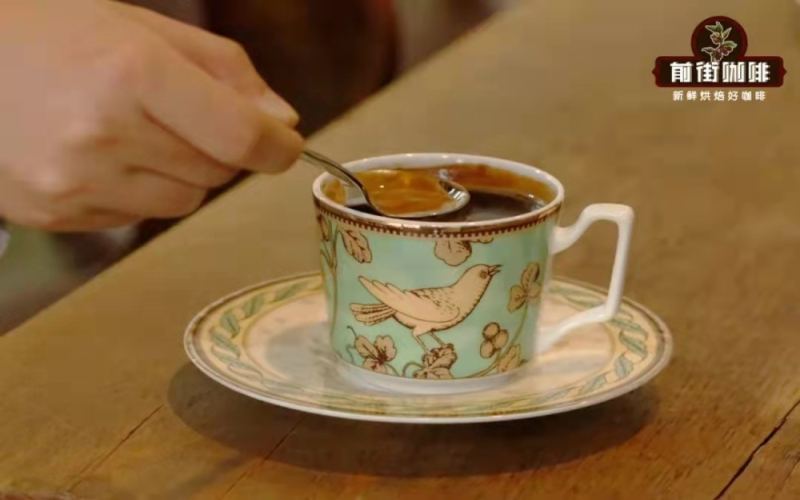
A Complete Guide to Spanish Coffee Culture: Nine Classic Drinks and the Unique Charm of Condensed Milk Coffee
Coffee presents vastly different appearances around the world, and Spain's coffee culture is particularly unique. From Café solo to Café con leche, from Café Bombón to Spanish latte, this Iberian Peninsula nation ingeniously combines coffee with condensed milk, milk, and alcohol, creating a rich and diverse array of drinking styles. Spanish cafés are not only places to drink coffee, but also the core stage of social life. This article will take you deep into the historical origins of Spanish coffee, nine classic flavors, and Front Street's insights on recreating the Spanish latte and Café Bombón, so you can feel coffee's soulful place in Spanish culture. [more…]
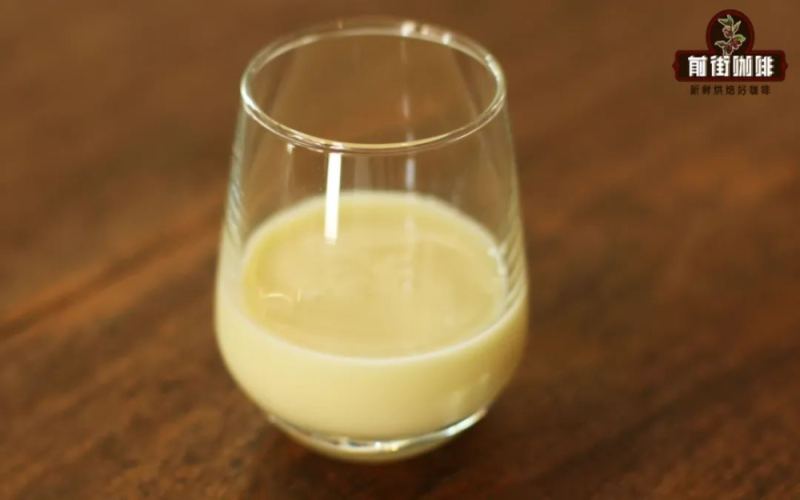
Spanish Latte Recipe Features and Origins: From Condensed Milk Espresso Craft to the Vietnamese Drip Coffee Connection
In recent years, the Spanish latte has set off a craze in China's coffee scene. With condensed milk as its core ingredient, it has a rich and sweet taste and is deeply loved by fans of milk coffee. But did you know that the birth of this cup of coffee is actually inextricably linked to Vietnamese drip coffee? Starting from the production principles of condensed milk, this article will sort out the flavor characteristics and origin of the Spanish latte, as well as its ties to Vietnamese coffee culture, while also introducing how %Arabica brought this drink into the public eye. The article also includes store information for Front Street Coffee, providing a reference for readers who want to taste it in person. [more…]
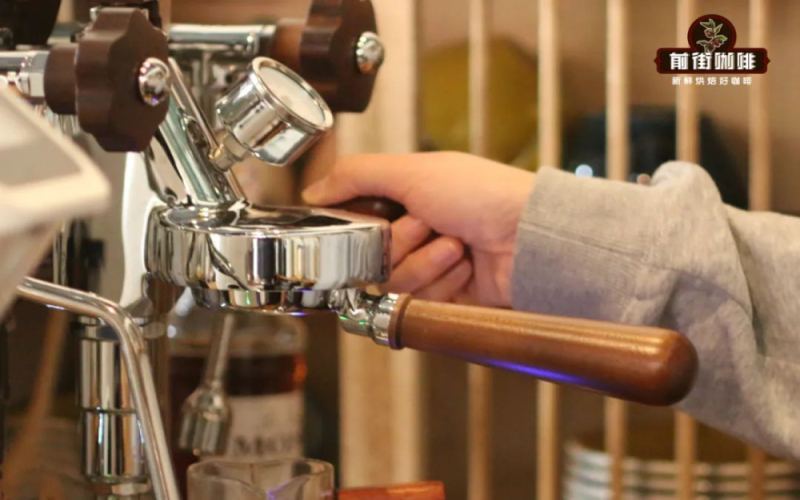
Flavor characteristics and making method of Spanish Latte: How is it different from a regular latte?
Spanish Latte has gained popularity in recent years with the expansion of %Arabica, but it has no direct connection to Spain itself; instead, it is closer to the condensed milk style of Vietnamese drip coffee. This drink consists of espresso, milk, and condensed milk, essentially a latte with condensed milk added. The Middle East particularly favors this sweet coffee, with sales of Spanish Latte in the UAE even accounting for half of the country's coffee consumption. To make it, extremely finely ground coffee powder is needed, extracted through a moka pot or a portable espresso machine. Front Street Coffee recommends using "Front Street Sunflower Warm Sun Blend Coffee Beans," which can bring rich layers of wine aroma, berry, vanilla cream, and nutty caramel. After extraction, add condensed milk and stir, and you can enjoy the sweet and rich Spanish Latte. [more…]

Step-by-step illustrated tutorial: detailed preparation steps and recipe ratios for iced Spanish latte
The Spanish Latte is a popular drink in the coffee world that combines condensed milk with coffee. The sweet, smooth condensed milk meets rich espresso, creating a layered and complex taste experience. Today, Front Street Coffee will guide you step by step through making an iced version of the Spanish Latte. The whole process is not complicated—you just need to prepare a 300ml cup, condensed milk, milk, ice cubes, and a shot of espresso. From layering condensed milk at the bottom of the cup, adding ice and pouring in milk, to pulling the espresso and stirring everything together, the ratio of ingredients for each step and the detailed tips from Front Street Coffee will be explained one by one, helping you easily recreate a café-quality icy, dessert-like coffee at home. [more…]
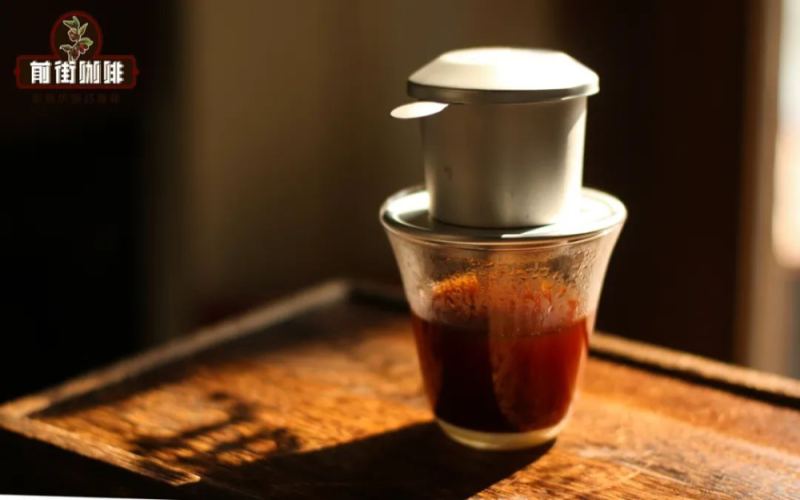
Vietnamese Drip Coffee Brewing Guide: How to Use a Phin and the Classic Pairing with Condensed Milk and Robusta
Vietnamese coffee is not simply about coffee beans grown in Vietnam; it represents a unique local beverage culture. After the French introduced coffee to Vietnam, it gradually became part of daily life. Vietnamese coffee is usually made from dark-roasted Robusta, paired with condensed milk to balance the intense bitterness, and extracted using a metal drip filter known as a "phin." Starting from Front Street's hands-on practice, this article explains in detail the structure of the phin, the key points of tamping, extraction parameters, and suggested condensed milk amounts, guiding you through the complete process of recreating an authentic cup of Vietnamese drip coffee, and sharing a layered tasting approach that goes from strong to sweet. [more…]
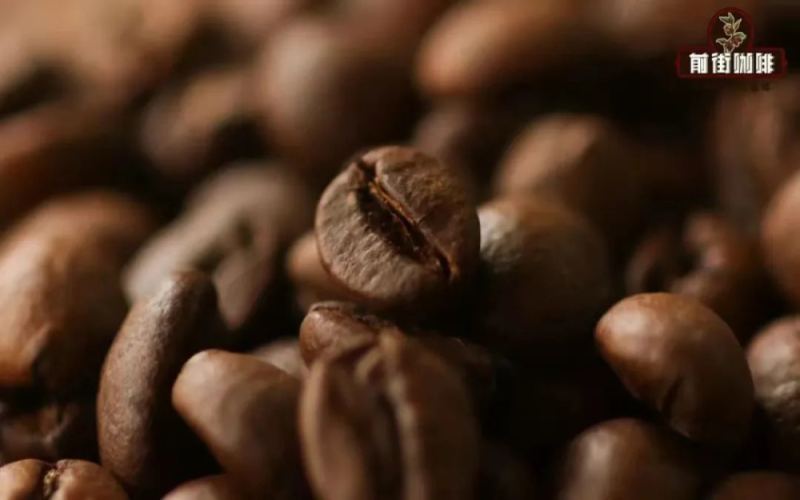
Analysis of Representative Coffee Bean Varieties in Vietnam: Robusta Flavor Characteristics and a Detailed Guide to Making Drip Coffee with Condensed Milk
Vietnamese coffee has long been a striking calling card of Southeast Asian food culture, and the core that sustains this distinctive flavor is none other than the Robusta bean, which accounts for over ninety percent of Vietnam's total coffee output. After the French introduced coffee to Vietnam, the locals combined the intense bitterness of dark-roasted Robusta with the sweetness of condensed milk, and with the help of the unique drip pot, created a cup of condensed milk coffee with unmistakable character. This article will guide you through the origin and status of Vietnamese Robusta, the structure and extraction principles of the drip pot, and, using Front Street Coffee's practical parameters as an example, present a complete demonstration of the process for making and enjoying a traditional cup of Vietnamese coffee. [more…]
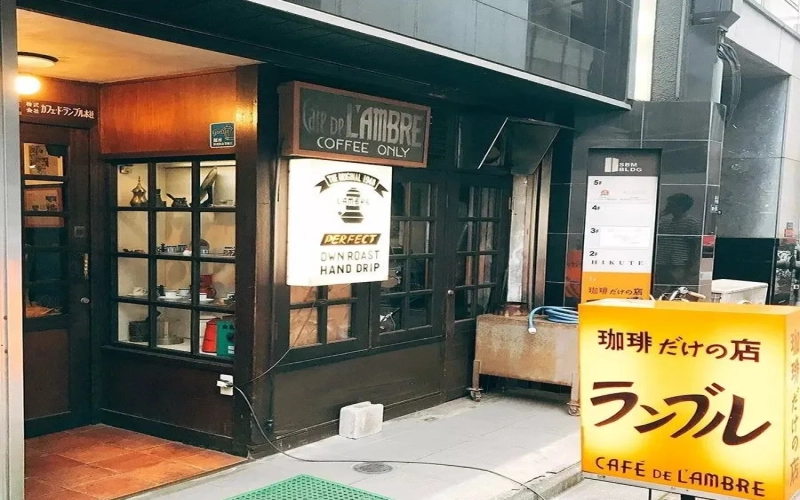
Amber Queen Coffee Recipe Tutorial: How to Recreate the Classic Layered Drink from Amber Café in Ginza, Tokyo
In Ginza, Tokyo, there is a long-established high-end coffee shop founded in 1948—Café de L'Ambre, famous for its founder Ichiro Sekiguchi's ultimate pursuit of coffee quality. But compared to the shop itself, its original drink "Amber Queen" actually enjoys greater fame. This coffee has sweetened cooled black coffee on the bottom layer, with unsweetened condensed milk floating on top; one sip lets you experience the dual flavor of coffee and milky aroma at the same time, and the visual effect is also extremely soothing. Many enthusiasts try to recreate it at home, but often encounter the problem of the condensed milk sinking and being unable to form layers. This article will share the complete method for making Amber Queen, from explaining the principles to the brewing steps, to help everyone make a cup of this classic Japanese-style coffee drink with distinct layers. [more…]
Vietnamese Drip Coffee Brewing Tutorial: How to Use a Phin Filter, Choosing Coffee Beans, and Making Iced Coffee with Condensed Milk
Vietnamese drip coffee, with its distinctive Phin filter and pairing with condensed milk, has become one of the most recognizable ways of drinking coffee in Southeast Asian coffee culture. This article begins with the historical origins, representative brands, and flavor characteristics of Vietnamese coffee, then systematically introduces the ingredients, steps, and timing control needed to make an authentic Vietnamese iced coffee, and explains the key points for choosing coffee beans suitable for a Vietnamese Phin—medium grind, freshly ground, and avoiding too many fine particles. The article also mentions related product recommendations from Front Street Coffee, making it a useful reference for coffee lovers who want to recreate the flavors of Vietnamese street coffee at home or in the office. [more…]
Analysis of the Vietnamese drip pot: Can it handle pour-over coffee brewing?
In coffee cultures around the world, almost every producing region has its own distinctive brewing device. The Vietnamese phin is one of the most representative examples—simple in structure and easy to use, it is an essential tool for making Vietnamese condensed milk coffee. This article begins with the phin's construction and historical origins, then explains its standard method of use in detail, and, drawing on Front Street Coffee's actual extraction parameters, explores an interesting question: can this drip brewing device be used for pour-over coffee? If you are interested in exploring the many ways to use brewing devices, why not follow along with Front Street and give it a try. [more…]
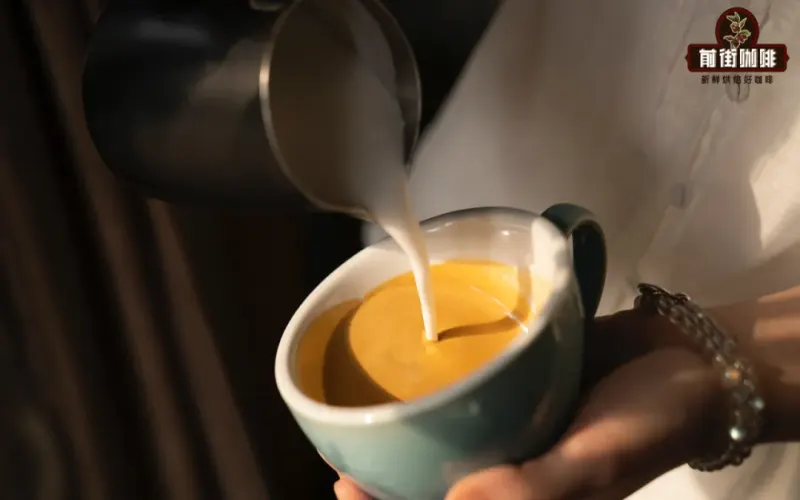
What to Do If Espresso Is Too Bitter to Drink Straight? A Complete Guide to Fancy Ways to Enjoy It with Sugar, Milk, Lemon, and More
Espresso is extremely concentrated with intense flavor, but not everyone can accept its strong bitterness when drunk straight. Without changing the concentration of the espresso, adding sugar, dairy products, lemon, salt and other seasonings to balance the bitterness allows people to enjoy the richness of highly concentrated coffee while avoiding the unpleasant bitterness. This article summarizes a variety of fancy ways to drink espresso: the sweet neutralization of white sugar, yellow sugar, and brown sugar; the cream topping of Con Panna; the small amount of milk garnish of Macchiato; the condensed milk pairing of Spanish candy coffee; the balance of lemon acidity and granulated sugar in Roman espresso; and the little trick of adding salt to reduce bitterness. All espresso in this article is extracted using Front Street Classic Blend, with parameters of 20g, 30s, 40ml, and flavor notes of chocolate, nuts, cream, and cookies. [more…]
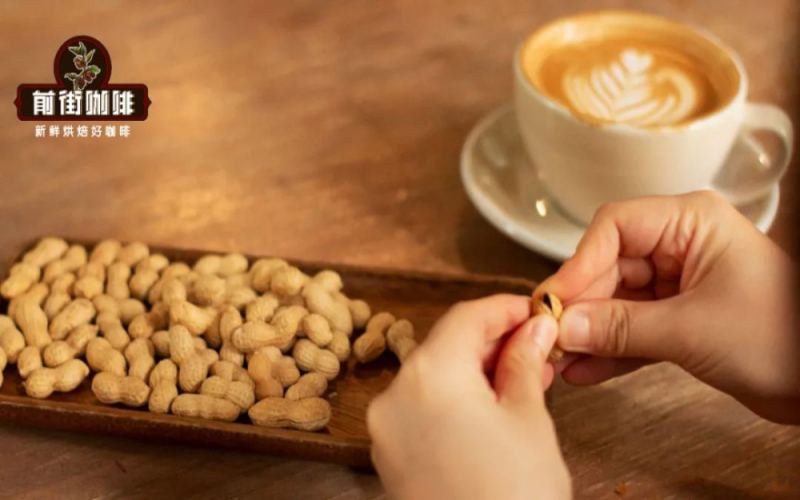
Can Peanut Butter and Coffee Be Paired? A Detailed Guide to Making Peanut Butter Hot Lattes and Iced Lattes
Can peanut butter be combined with coffee? Of course it can, and peanut butter lattes have already been appearing on plenty of coffee menus for quite some time. Today Front Street Coffee is going to talk about this distinctive flavored coffee: from ingredient selection and the ratio of peanut butter to condensed milk, to two different approaches for making it as a cold drink and a hot drink, we'll break it down step by step. The article will also share a key tip — whether peanut butter should be mixed with milk or with espresso, so that you can preserve the milk foam texture without losing the peanut flavor. Coffee lovers who enjoy trying something new might as well follow along and give it a try. [more…]
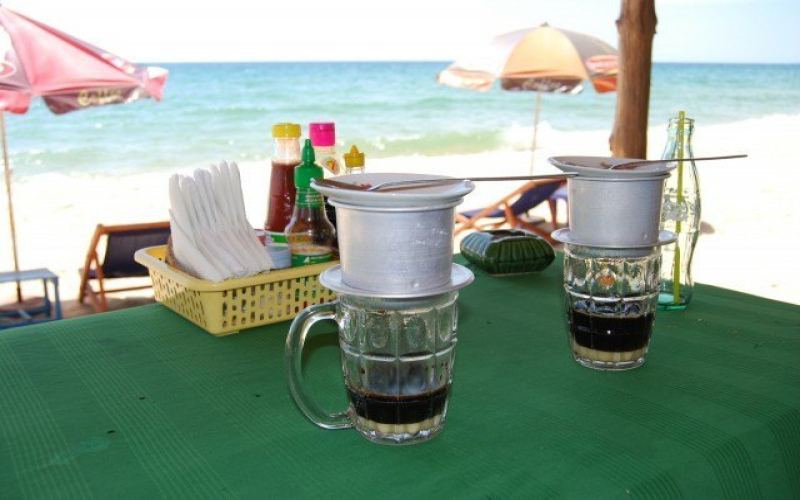
Vietnamese G7 Instant Coffee Full Analysis: Detailed Explanation of Types, Flavor Characteristics, and Quality Positioning
G7 Coffee is a highly representative instant coffee brand from Vietnam, made from robusta beans, convenient to brew, and notably effective at keeping you alert. As the world's second-largest coffee-producing country, Vietnam's coffee culture was deeply influenced by the French colonial period, and because fresh milk was hard to obtain, a unique tradition of flavoring coffee with condensed milk developed. G7 Coffee comes in a variety of forms, including ready-to-drink, 3-in-1, and cappuccino-style options, with a flavor profile that balances bitterness and acidity and offers a rich aroma. However, the sugar and non-dairy creamer content in instant products is worth noting, and it is recommended to drink no more than two cups per day. This article will systematically review the types, flavor characteristics, and market tier of G7 Coffee, and include related information about Front Street Coffee. [more…]
Key Brewing Tips for Vietnamese Iced Coffee: Bean Selection, Phin Filter Operation, and Flavor Balance Techniques
Vietnamese iced coffee, with its silky texture and rich milky aroma, has become a favored refreshing drink in summer. Vietnamese people do not brew coffee with a coffee machine; instead, they use a dedicated metal drip filter, letting hot water pass through the coffee grounds bit by bit and drip slowly. To make an authentic Vietnamese iced coffee, the grind size of the coffee grounds, the amount of condensed milk, the tightness of the press, and the control of water temperature are all crucial. This article breaks down in detail every step from preparation to the completion of dripping, and provides reference standards for time and flow rate, helping you reliably recreate a fragrant, smooth Vietnamese iced coffee at home. [more…]
Can cheese be integrated into an Italian-style milk coffee? A step-by-step guide to making a savory cheese latte special.
In the depth of winter, nothing is more longed for than a steaming cup of specialty latte. After chocolate mocha, Spanish condensed milk latte, and apple cinnamon latte have taken their turns in the spotlight, coffee lovers have set their sights on an ingredient that seems completely unrelated—cheese. The rich creamy aroma and distinctive salty umami of cheese happen to fill the gap in body and complexity that latte needs. This article focuses on salted cheese latte, starting with why cheese is suited for coffee, then explaining the approach to selecting ingredients, and finally providing complete step-by-step instructions along with Front Street Coffee's bean recommendations, so you can recreate a cheese specialty drink with interwoven salty and sweet notes and a multidimensional mouthfeel right at home. [more…]
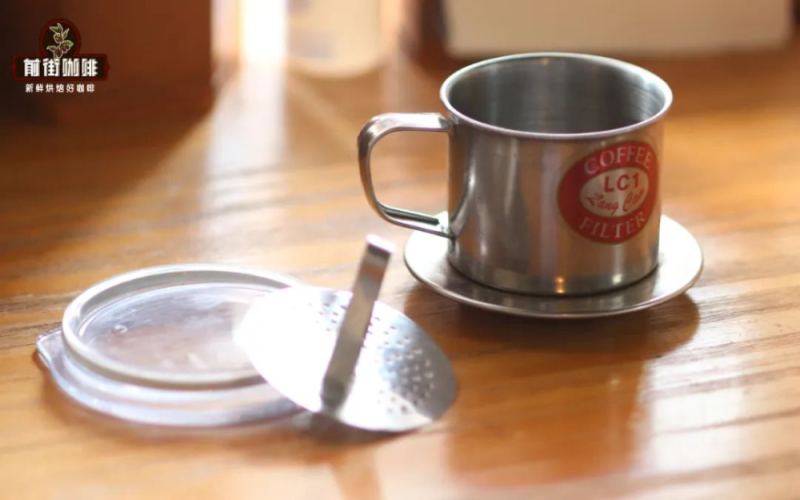
How to Use a Vietnamese Phin Filter? A Complete Practical Guide from Condensed Milk Coffee to Light-Roast Pour-Over
The Vietnamese drip filter has a simple structure and an affordable price, making it a practical choice for many coffee enthusiasts just starting out. After repeated testing with it, Front Street Coffee found that as long as you get the grind size, water temperature, and coffee-to-water ratio right, this device—which seems suited only to strong, bitter Robusta—can also brew light-roast beans with floral and fruity acidity into a tasty cup, and can even make a decent latte. This article starts with the device's structure and extraction principles, then moves on to specific parameters for black coffee and iced lattes, taking you step by step through mastering the Vietnamese filter. [more…]